

Debunking the top nine myths about gambling misconceptions
Gambling is Just Luck
One of the most common misconceptions about gambling is that it relies solely on luck. While luck undoubtedly plays a role in the outcomes of games, particularly in games like slots or roulette, many gambling activities involve a significant amount of strategy and skill. For instance, poker players must understand odds, psychology, and probability to make informed decisions, while sports betting requires knowledge of teams, players, and statistical analysis. In this context, checking the best live betting sites can help you gain an edge in your strategies.
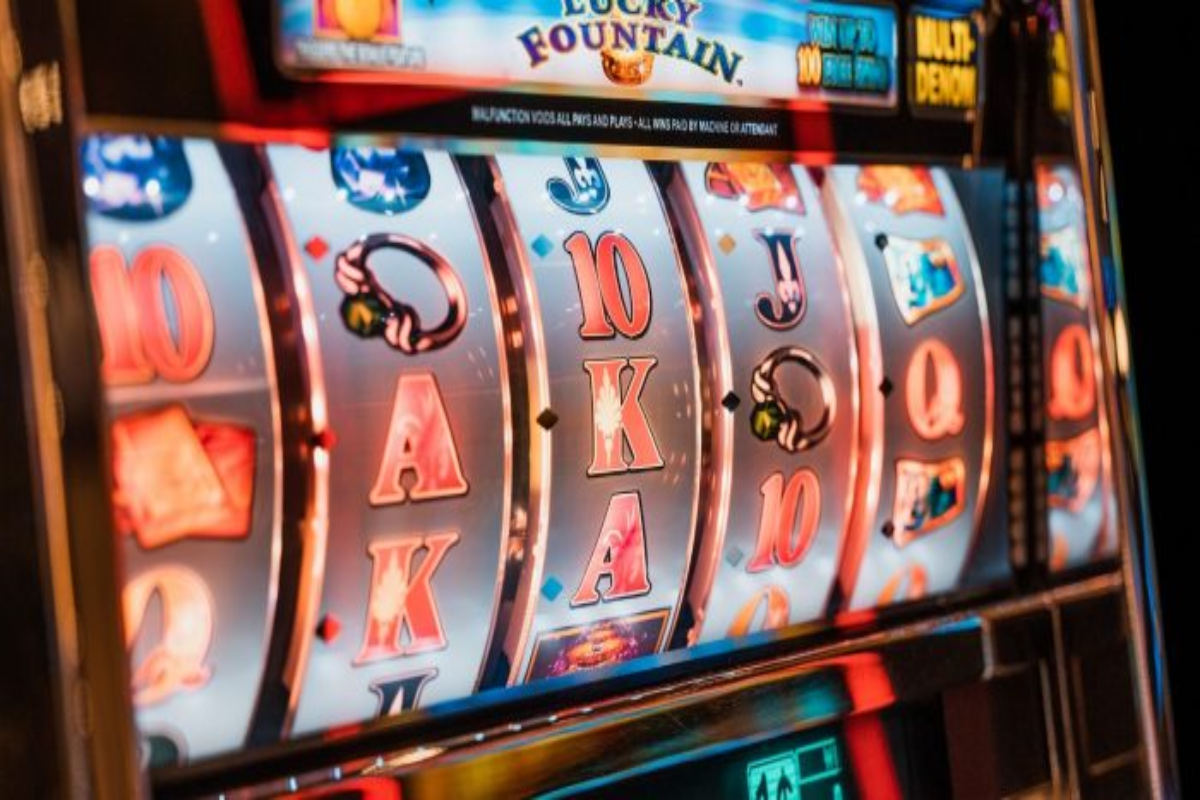

Additionally, various games, such as blackjack and poker, offer opportunities for players to influence the results through strategy. Understanding game mechanics, optimal strategies, and bankroll management can greatly enhance a player’s chances of success, proving that gambling is not just a game of chance.
Only Addicts Gamble
Another prevalent myth is that only individuals with gambling addictions participate in gambling activities. In reality, a vast majority of gamblers engage in this form of entertainment responsibly. Many people enjoy gambling as a fun pastime, much like watching sports or attending a concert. The key difference lies in moderation and responsible play.
Education about responsible gambling is essential. Gamblers can enjoy their activities without falling into addiction by setting limits and knowing when to stop. This healthy approach ensures that gambling remains a source of entertainment rather than a problematic behavior.
All Gambling is Illegal
Many people believe that gambling is illegal everywhere, but this is far from the truth. Legal gambling exists in various forms around the world, including casinos, lotteries, and online betting platforms. Each jurisdiction has its own regulations governing gambling activities, and many countries have legalized and regulated forms of betting.
In countries where gambling is legal, there are safeguards in place to protect consumers, such as licensing and regulatory oversight. This legal framework not only promotes fair play but also contributes to economic benefits, including job creation and tax revenue for public services.
Online Gambling is Unsafe
The perception that online gambling is unsafe is another myth that needs to be addressed. While it’s true that some unregulated sites pose risks, many reputable online casinos and sportsbooks implement stringent security measures. They utilize encryption technology and adhere to regulations to protect players’ information and ensure fair gameplay.
Before engaging in online gambling, it is crucial for players to do their research. Reading reviews, checking licensing, and verifying security protocols can help players find trustworthy platforms. Overall, responsible online gambling can be safe and secure.


Understanding Gambling Resources
Educating oneself about gambling and available resources is crucial for a positive gambling experience. Many websites offer valuable information on various gambling games, strategies, and responsible gambling practices. These resources help players make informed choices and enhance their understanding of the gambling world.
By leveraging such knowledge, gamblers can navigate their experiences more effectively, turning potential misconceptions into informed decisions. The right resources empower players to enjoy gambling as a rewarding and entertaining activity.